

by
Category: Constitutional Law
-
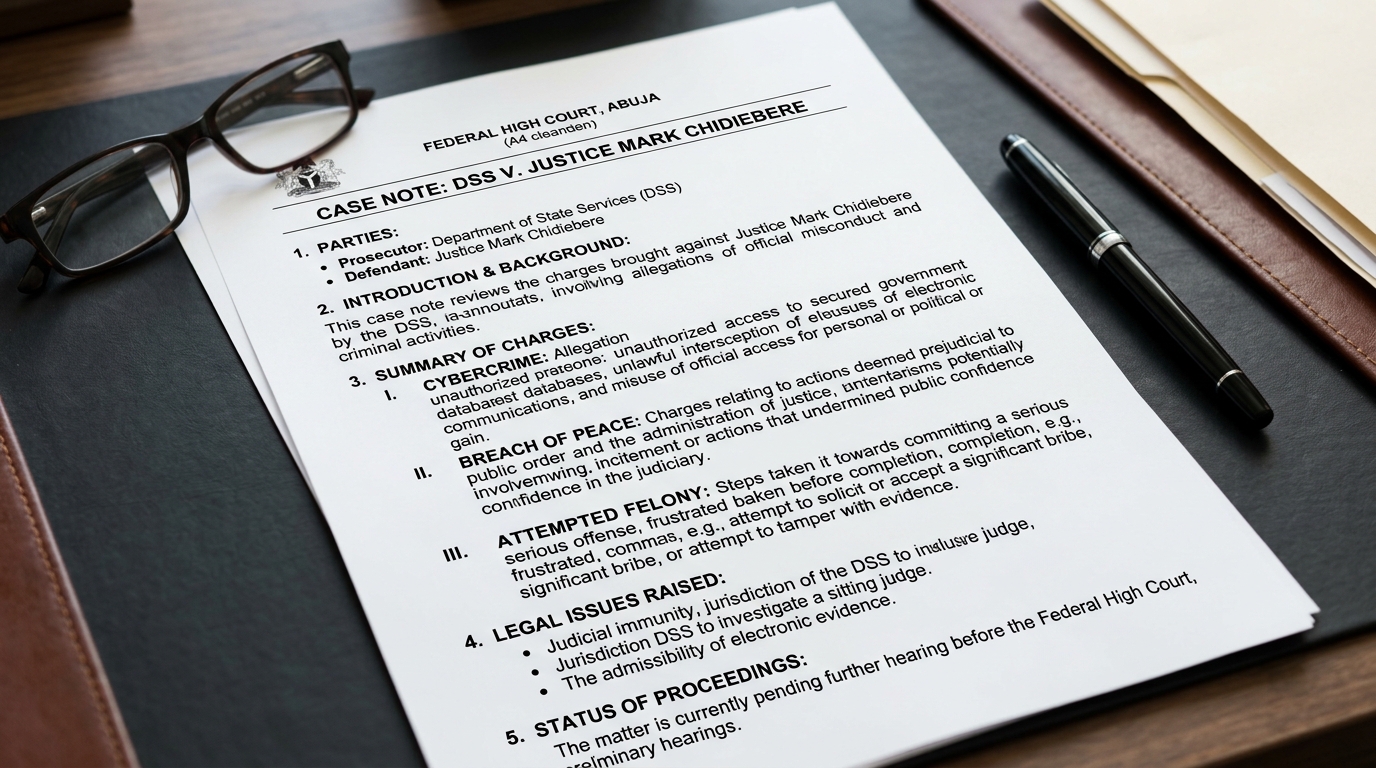
CYBERCRIME, BREACH OF PEACE, AND ATTEMPTED FELONY: A CASE NOTE ON DSS V. JUSTICE MARK CHIDIEBERE
CYBERCRIME, BREACH OF PEACE, AND ATTEMPTED FELONY: A CASE NOTE ON DSS V. JUSTICE MARK CHIDIEBERE ABSTRACT On 4th May 2026, Justice Mark Chidiebere, popularly known as “Justice Crack,” was arraigned before Justice Joyce Abdulmalik at the Federal High Court, Abuja, on a three-count charge filed by the Department of State Services (DSS). He pleaded…
-
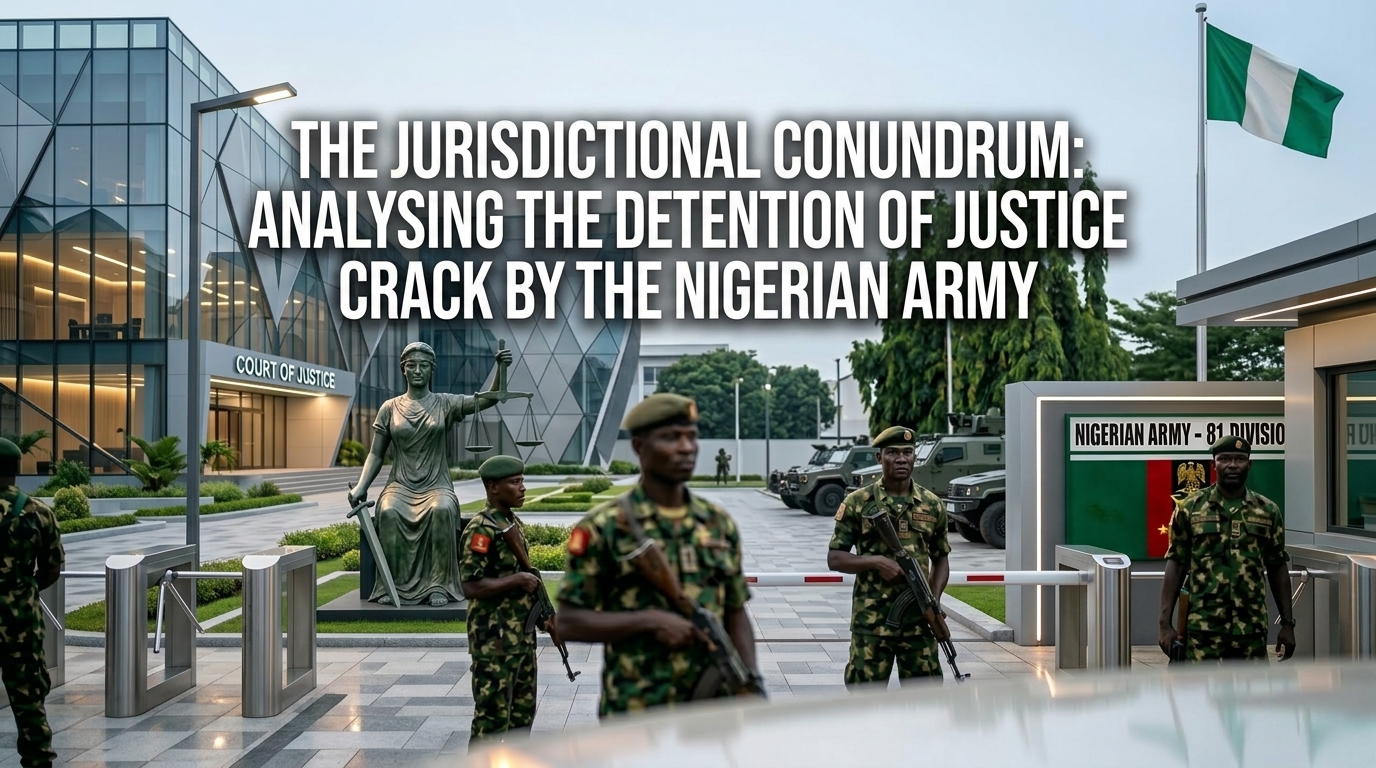
THE JURISDICTIONAL CONUNDRUM: ANALYSING THE DETENTION OF JUSTICE CRACK BY THE NIGERIAN ARMY
THE JURISDICTIONAL CONUNDRUM: ANALYSING THE DETENTION OF JUSTICE CRACK BY THE NIGERIAN ARMY Abstract The arrest and prolonged detention of Justice Mark Chidiebere, popularly known as “Justice Crack,” by the Nigerian Army in April 2026 has ignited a critical legal debate regarding military jurisdiction over civilians, the limits of free speech in the digital age,…
by
-

The Constitutional and Political Implications of Mass Defections to the APC in Nigeria
Abstract The recent surge in defections of high-profile political figures to the All Progressives Congress (APC), Nigeria’s ruling party, raises critical constitutional, legal, and democratic concerns. This article examines the legal framework governing defections in Nigeria, the loopholes exploited by defectors, and the broader consequences on political accountability, party democracy, and the rule of law.…
by
-

The Right of Nigerians to Criticize Their Government and Demand Accountability Introduction
Introduction Since gaining independence in 1960, Nigeria has experienced a complex interplay between governance and public criticism. Successive administrations have adopted varying approaches to address dissent, ranging from suppression to engagement, reflecting the nation’s evolving political landscape. Democracy thrives on the ability of citizens to voice their opinions, challenge their leaders, and demand accountability. In…
by
-

Understanding the Legal Status of Illegitimate Children Born to or During the Course of a Marriage in Nigeria
In Nigeria, the concept of illegitimacy remains a complex and often misunderstood area of family law. Rooted in customary, statutory, and Islamic law practices, the rights and legal status of children born out of wedlock—or during the course of a marriage but not biologically belonging to the husband—have historically been a source of debate and…
by
-

Defamation Laws in Nigeria: A Delicate Balance
Defamation law in Nigeria is a complex and nuanced area, balancing the protection of individual reputations with the right to freedom of expression. It is governed by both civil and criminal law, making it both a tort and a crime. This intricate legal framework presents challenges and has been subject to criticisms and calls for…
by
-

Dele Farotimi and the Nigerian Law of Defamation: A Case Study
Dele Farotimi, a Nigerian human rights lawyer and activist, has become embroiled in a legal battle that underscores the complexities and challenges of the Nigerian law of defamation. This case highlights broader tensions between freedom of speech and the protection of individual reputation, as well as the potential misuse of legal mechanisms to suppress dissent.…
by
-

The Supreme Court Declares Nigeria’s National Lottery Act of 2005 Invalid
In a landmark judgment, in The Attorney General of Lagos State v. Attorney General of the Federation & Ors, with the appeal number SC/01/2008, the Supreme Court of Nigeria unanimously declared the National Lottery Act of 2005 invalid, sending ripples across the gaming and regulatory sectors in the country. The ruling, which was delivered on…
by
-

Critical Analysis of the Land Use Act: Implications and Challenges in Nigeria
The Land Use Act of 1978 was introduced as a revolutionary approach to land management in Nigeria, aiming to centralize control and eliminate the inequalities and complexities of land ownership. However, over four decades since its enactment, the Act remains a subject of intense debate, with numerous critiques regarding its impact on land rights, economic…
by
-

How to Register and Manage NGOs in Nigeria Under CAMA 2020
In Nigeria, Non-Governmental Organizations (NGOs) play a crucial role in addressing social issues, from healthcare to education to human rights. If you’re considering setting up an NGO, understanding the registration process and management requirements under the Companies and Allied Matters Act, 2020 (CAMA) is essential. Here, we’ll walk through the key steps for registering and…
by

Recent Posts
-
CYBERCRIME, BREACH OF PEACE, AND ATTEMPTED FELONY: A CASE NOTE ON DSS V. JUSTICE MARK CHIDIEBERE
-
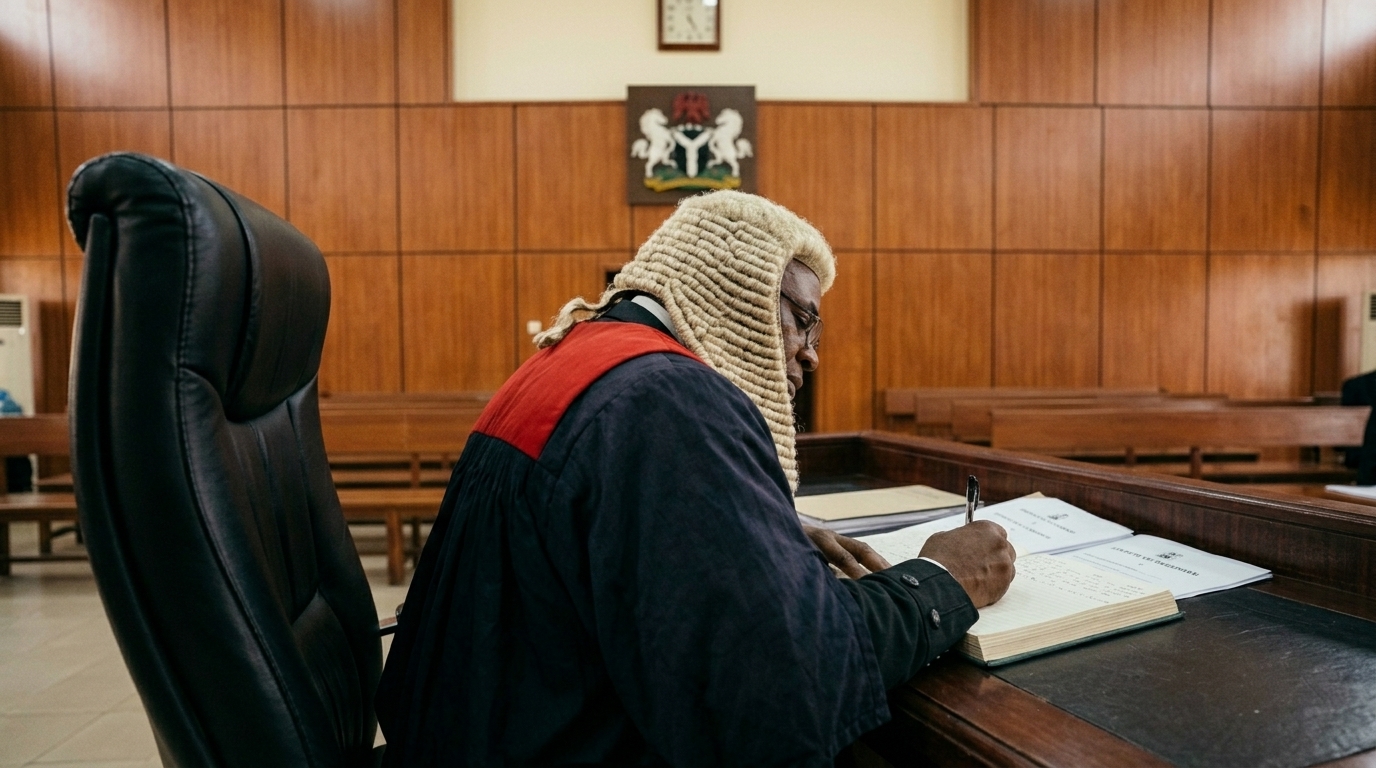
Beyond the Robe: The Hidden Psychology of Judicial Decisions
-
THE JURISDICTIONAL CONUNDRUM: ANALYSING THE DETENTION OF JUSTICE CRACK BY THE NIGERIAN ARMY
-
How to Open a Company and Bank Account in Nigeria: A Guide for Russian Investors