


by
Category: Constitutional Law
-

Types and Uses of NGOs in Nigeria
Non-Governmental Organizations (NGOs) are crucial in Nigeria, filling gaps where government resources may be limited. They play a diverse role across various sectors and are often instrumental in addressing social, economic, environmental, and health challenges. Here’s an exploration of the main types of NGOs in Nigeria, along with their primary uses. Human Rights NGOs Purpose:…
-

The Right to Protest and Freedom of Expression in Nigeria
Introduction Nigeria, a nation marked by its diverse culture and dynamic political landscape, has experienced numerous protests over the years. These protests are often driven by citizens’ desire to express their discontent and demand change. The right to protest and freedom of expression are fundamental human rights, enshrined in various legal instruments and judicial decisions…
by
-

Legal Insights into the Landmark vs. Lagos-Calabar Coastal Highway Saga
The Landmark vs Lagos-Calabar Coastal Highway saga in Nigeria highlights a clash between development goals and existing infrastructure, raising crucial legal questions about land ownership, property rights, and the government’s power of eminent domain. The crux of the matter lies in the conflict between Landmark Beach Resort, a thriving tourism hub in Lagos, and the…
by
-

Justice Sacrificed on the Altar of Technicalities: Presidential Election Tribunals in Nigeria
Introduction Nigeria, often hailed as the giant of Africa, boasts a rich tapestry of diverse cultures, ethnicities, and languages. This diversity extends to its political landscape, where elections are hotly contested and hold immense significance for the nation’s future. However, the pursuit of justice within this electoral framework has often been overshadowed by a troubling…
by
-

The Role and Challenges of Election Tribunals in Nigeria’s Democratic Process
Introduction Elections are the lifeblood of any democratic society, and Nigeria, as one of Africa’s largest democracies, is no exception. The conduct and outcome of elections in Nigeria have profound implications for the nation’s political stability and socio-economic development. To ensure fairness and legitimacy in the electoral process, Nigeria has established election tribunals as a…
by
-

Upholding Independence: The Judiciary’s Role in Nigeria
Introduction Independence of the judiciary is a fundamental pillar of any democratic society. It ensures that the judiciary can perform its vital role of upholding justice, protecting the rule of law, and safeguarding the rights of citizens without undue influence from other branches of government or external forces. In Nigeria, as in many other countries,…
by
-

Is Bail Really Free in Nigeria?
The concept of bail plays a crucial role in ensuring a fair and just legal system, allowing individuals accused of a crime to be released from custody while awaiting their trial. In theory, bail is meant to uphold the presumption of innocence until proven guilty and prevent unnecessary detention of individuals who may not pose…
by
-

Nigerian Citizenship
NIGERIAN CITIZENSHIP Introduction Nigerian citizenship is the legal status that grants an individual the rights, privileges, and responsibilities of being a national of Nigeria. It is an important legal status that determines an individual’s rights to work, vote, own property, and participate in the political and economic life of the country. The Legal Provisions The…
by

Recent Posts
-

CYBERCRIME, BREACH OF PEACE, AND ATTEMPTED FELONY: A CASE NOTE ON DSS V. JUSTICE MARK CHIDIEBERE
-
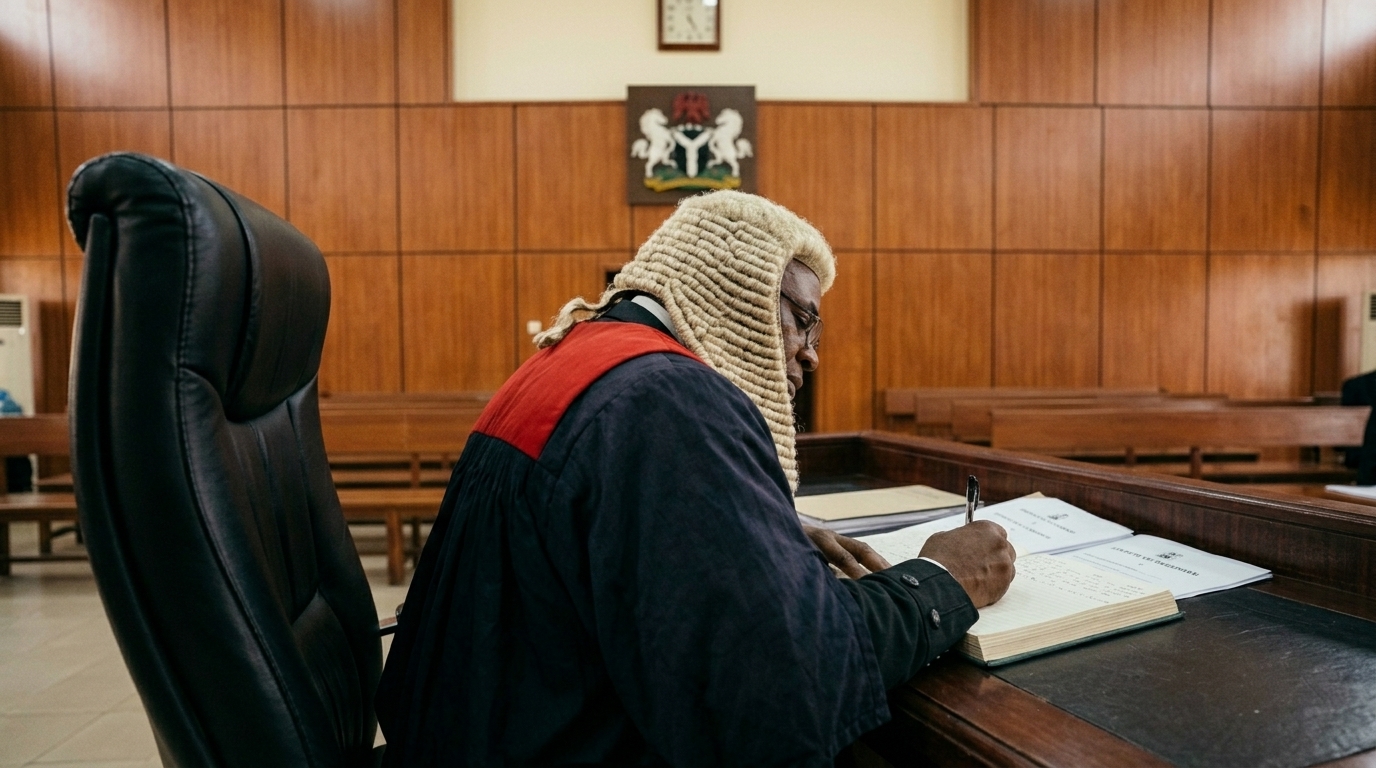
Beyond the Robe: The Hidden Psychology of Judicial Decisions
-
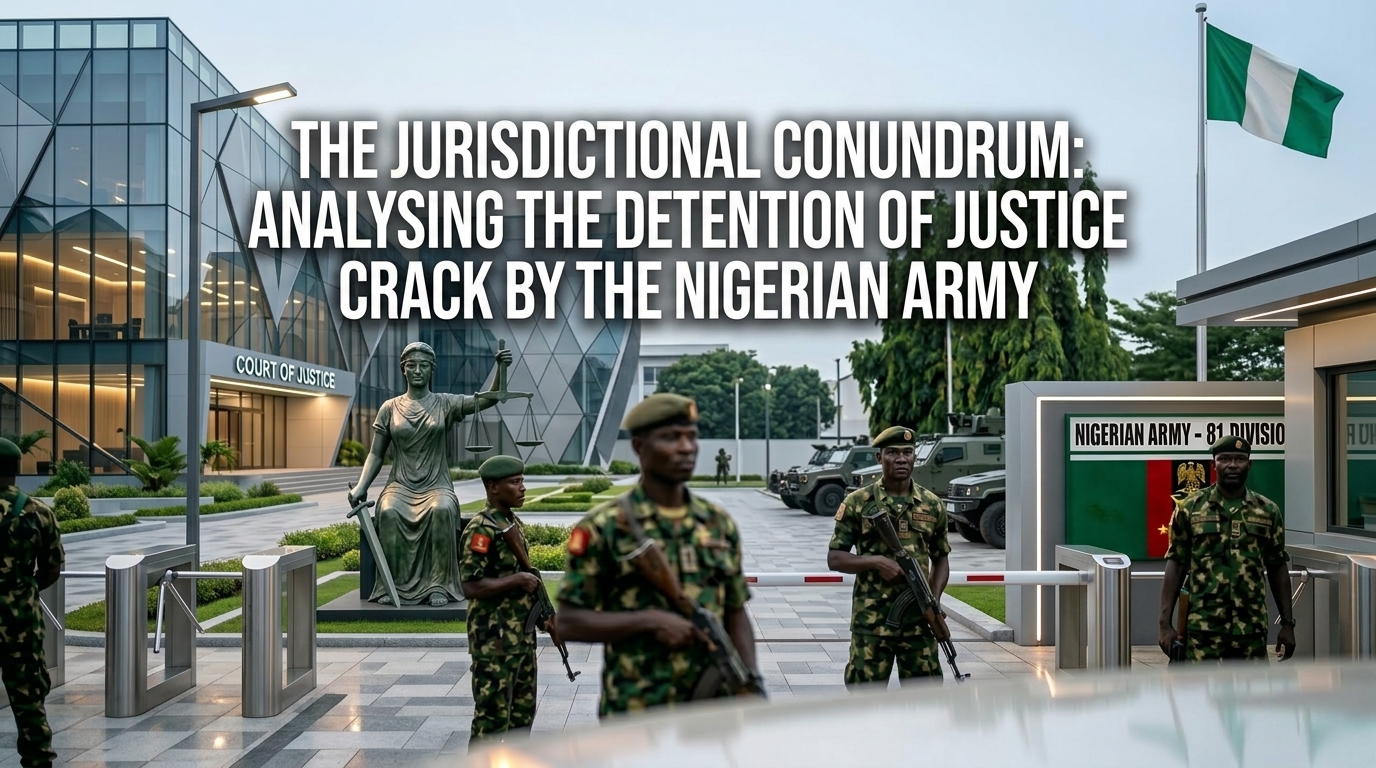
THE JURISDICTIONAL CONUNDRUM: ANALYSING THE DETENTION OF JUSTICE CRACK BY THE NIGERIAN ARMY
-
How to Open a Company and Bank Account in Nigeria: A Guide for Russian Investors