


by
Category: Political
-

The Illusion of Democracy
The Illusion of Democracy: A Holistic Examination of What Democracy Promises, Why It Fails to Deliver, and Whether Any System Can Do Better Introduction: The Great Political Mirage ★ Democracy in its contemporary form often functions as a ritualized performance, masking the reality of rule by unelected economic elites and unaccountable state apparatuses. The word…
-

The Death of Democracy in Nigeria?
The Death of Democracy in Nigeria?: The Death of Democracy in Nigeria?: From Promise to Managed Outcomes I. The Return to Civilian Rule and the Mirage of Progress (1999–2007) The transition to civilian rule in 1999 was initially seen as a restoration of the nation’s soul, but structural weaknesses emerged early on. When Nigeria returned…
by
-

The Architecture of Democracy: Analyzing Election Engineering and Electoral Reform in Nigeria
Election Engineering and Electoral Reform in Nigeria: A Comprehensive Analysis Election Engineering and Electoral Reform in Nigeria: A Comprehensive Analysis The Architecture of Democracy: Analyzing Election Engineering and Electoral Reform in Nigeria 1. Introduction Elections serve as the fundamental mechanism through which sovereignty is transferred from citizens to their representatives in a constitutional democracy. The…
by
-

High-Profile Prosecutions in Nigeria (1999–2025): A Comprehensive Analysis of Law, Politics, Trends, and the Quest for Credible Accountability
On this page Executive Summary I. Defining High-Profile Prosecutions in Nigeria II. Legal and Institutional Architecture Since 1999 III. Data, Statistics, and the Credibility Gap IV. Landmark Prosecutions (1999–2025): Cases, Outcomes, and Lessons V. Structural Challenges and Systemic Bottlenecks VI. Trends, Biases, and Political Overtones VII. Presidential Pardons: Mercy or Impunity? VIII. What Works: Success…
by
-

The Paradox of Knowledge, Power, and Influence: Why the Smartest Are Not Always in Control
In a world driven by information, it’s tempting to believe that intelligence or knowledge naturally leads to success, wealth, and leadership. But real-life observation tells a very different story. We often find that those who wield the most power; politicians, business magnates, or public figures are not necessarily the most intelligent, knowledgeable, or wise. Meanwhile,…
by
-

Defections Without Ideology: What the APC Wave Reveals About Nigerian Politics
In recent months, Nigeria has witnessed a fresh and growing wave of defections by prominent political figures into the All Progressives Congress (APC). From state governors and federal lawmakers to grassroots political influencers, the exodus from opposition parties into the ruling APC appears not just widespread but also strategic. While party-switching is not new in…
by
-

Can Nigeria Become Un-Corrupt?
Corruption in Nigeria has long been a pervasive and deeply rooted challenge, casting a shadow over governance, economic growth, and public trust. From inflated contracts and embezzled public funds to nepotism and electoral malpractice, corruption permeates virtually every sector. Yet the question remains: Can Nigeria become un-corrupt? While the journey is long and difficult, the…
by
-

Nigeria and the Curse of Institutionalised Corruption
In Nigeria, corruption is not merely a vice—it is a way of life, embedded deep into the operating systems of state. It is institutionalised, sustained by complicit actors across all branches and levels of government, and normalized in a way that has numbed the collective conscience of a nation. From the police force to the…
by
-

Evaluating Nigerian Politicians: People-Oriented or Self-Seeking?
The question of whether Nigerian politicians are people-oriented or self-seeking is both a legal and moral inquiry with profound implications for democratic governance, rule of law, and socio-economic development. This article examines the conduct of political actors in Nigeria through the lens of constitutional obligations, public accountability, and democratic expectations, ultimately offering a balanced perspective…
by
-

The Right of Nigerians to Criticize Their Government and Demand Accountability Introduction
Introduction Since gaining independence in 1960, Nigeria has experienced a complex interplay between governance and public criticism. Successive administrations have adopted varying approaches to address dissent, ranging from suppression to engagement, reflecting the nation’s evolving political landscape. Democracy thrives on the ability of citizens to voice their opinions, challenge their leaders, and demand accountability. In…
by

Recent Posts
-
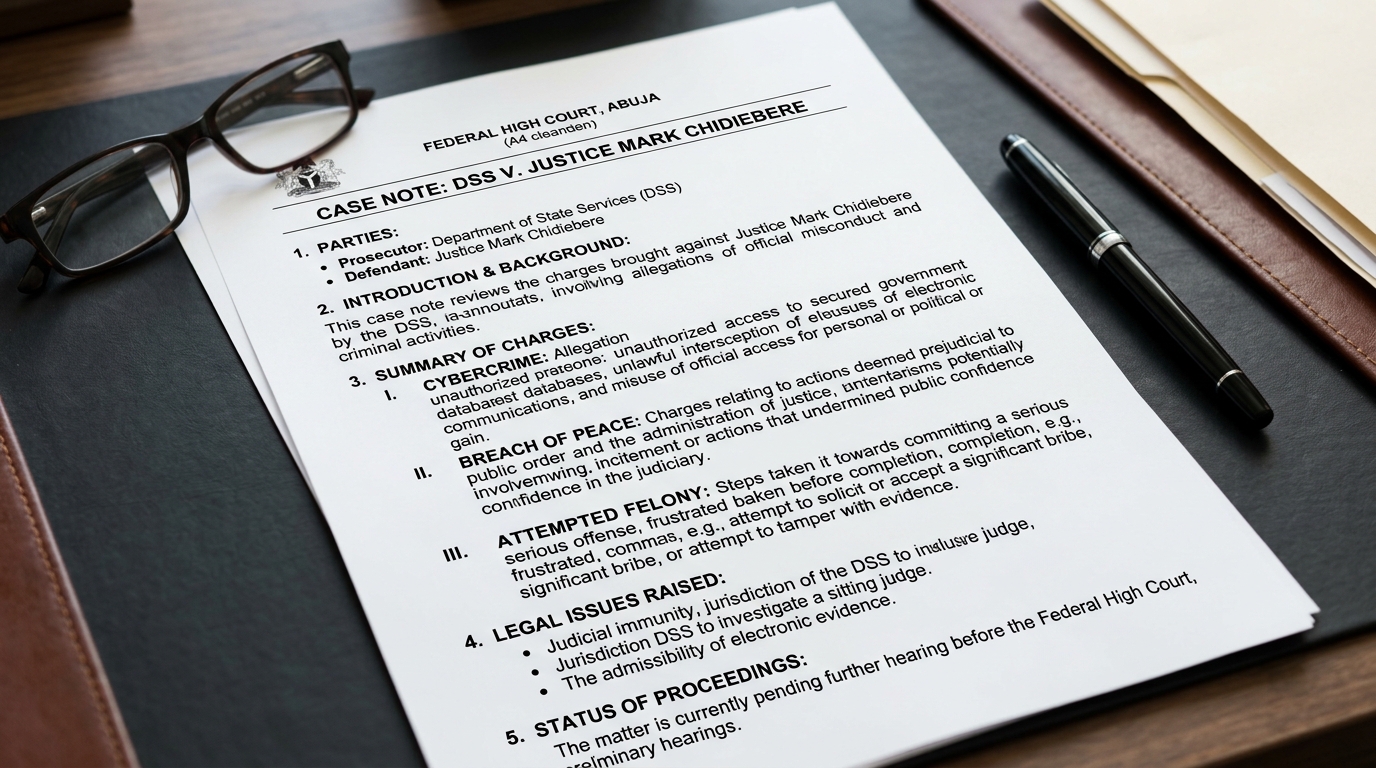
CYBERCRIME, BREACH OF PEACE, AND ATTEMPTED FELONY: A CASE NOTE ON DSS V. JUSTICE MARK CHIDIEBERE
-
Beyond the Robe: The Hidden Psychology of Judicial Decisions
-
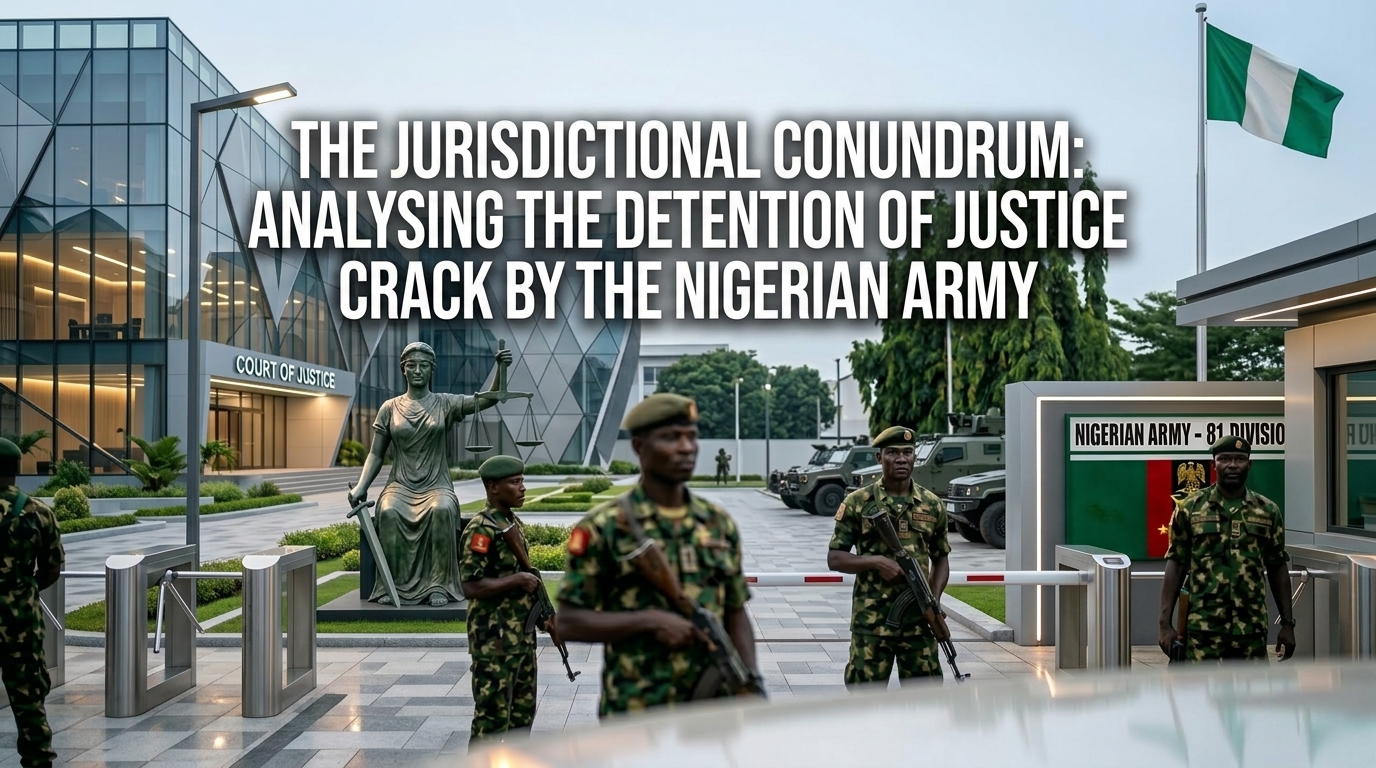
THE JURISDICTIONAL CONUNDRUM: ANALYSING THE DETENTION OF JUSTICE CRACK BY THE NIGERIAN ARMY
-
How to Open a Company and Bank Account in Nigeria: A Guide for Russian Investors