


by
Category: Litigation
-
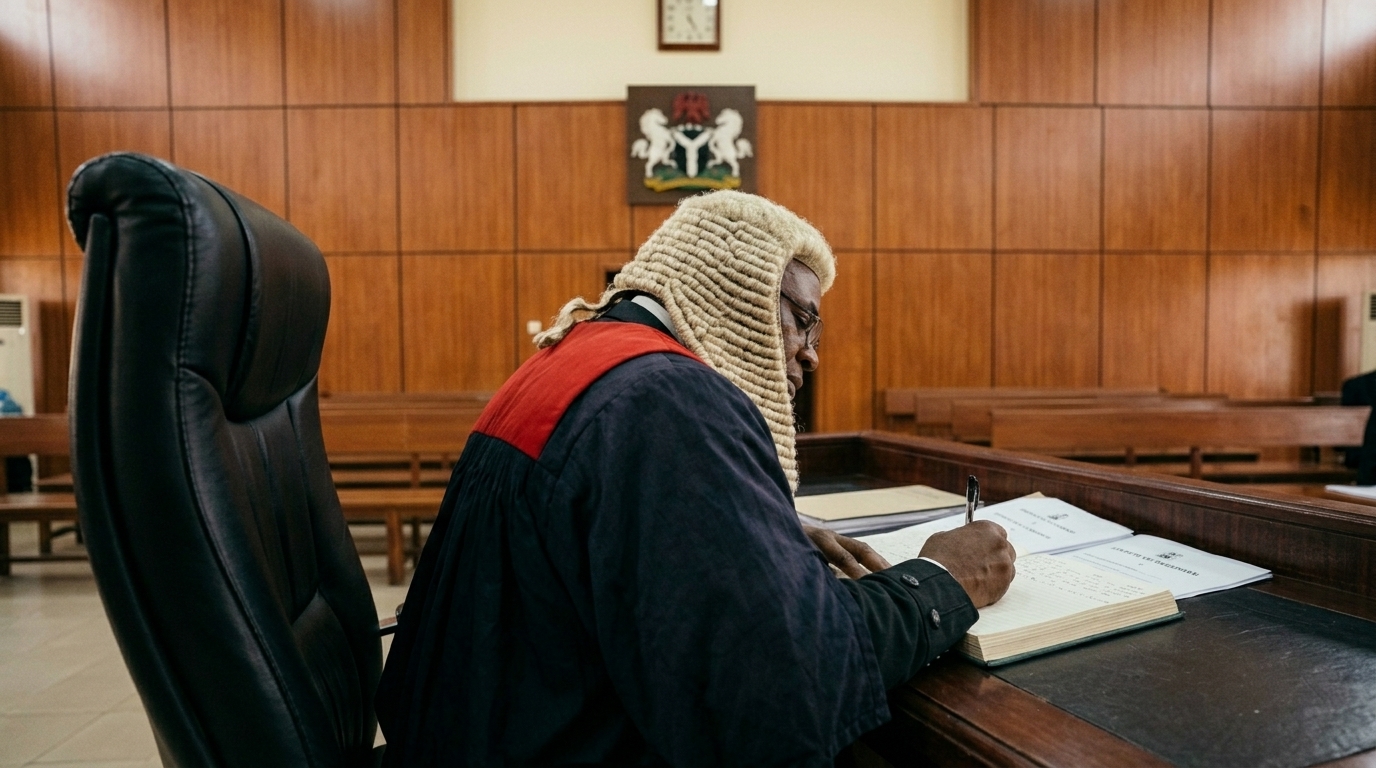
Beyond the Robe: The Hidden Psychology of Judicial Decisions
Beyond the Robe: The Hidden Psychology of Judicial Decisions I. Introduction: Of Hopes Betrayed and Judgments Shadowed On March 8, 2019, the Independent National Electoral Commission declared Emeka Ihedioha the winner of the Imo State governorship election in Nigeria. He was sworn in, took office, and set to work. Seven months later, on January 14,…
-

Legal Strategies in Litigation in Nigeria
Litigation, the process of resolving disputes through the court system, is a cornerstone of legal practice in Nigeria. As a country with a dual legal system that incorporates both common law principles and customary law, navigating litigation effectively requires a strategic approach. This article explores actionable legal strategies that litigators can employ to achieve favorable…
by
-

Defamation Laws in Nigeria: A Delicate Balance
Defamation law in Nigeria is a complex and nuanced area, balancing the protection of individual reputations with the right to freedom of expression. It is governed by both civil and criminal law, making it both a tort and a crime. This intricate legal framework presents challenges and has been subject to criticisms and calls for…
by
-

Dele Farotimi and the Nigerian Law of Defamation: A Case Study
Dele Farotimi, a Nigerian human rights lawyer and activist, has become embroiled in a legal battle that underscores the complexities and challenges of the Nigerian law of defamation. This case highlights broader tensions between freedom of speech and the protection of individual reputation, as well as the potential misuse of legal mechanisms to suppress dissent.…
by
-

The EFCC: Evaluating Progress, Pitfalls, and the Path Forward in Nigeria’s Fight Against Corruption
The Economic and Financial Crimes Commission (EFCC), established under the Economic and Financial Crimes Commission (Establishment) Act, 2004, serves as Nigeria’s foremost anti-graft agency. With the mandate to investigate, prosecute, and prevent economic and financial crimes, the EFCC has had successes and setbacks, often influenced by its leadership dynamics. This analysis evaluates the EFCC’s performance,…
by
-

PROFESSIONAL NEGLIGENCE-MEDICAL MALPRACTICE
By Vanessa Irenuma Professional negligence, also known as professional malpractice or professional misconduct, refers to the failure of a professional to perform their duties or provide services to a standard expected within their profession, resulting in harm or loss to their client or a third party. In Nigeria, professional negligence can occur in various fields,…
by
-

Justice Sacrificed on the Altar of Technicalities: Presidential Election Tribunals in Nigeria
Introduction Nigeria, often hailed as the giant of Africa, boasts a rich tapestry of diverse cultures, ethnicities, and languages. This diversity extends to its political landscape, where elections are hotly contested and hold immense significance for the nation’s future. However, the pursuit of justice within this electoral framework has often been overshadowed by a troubling…
by
-

The Role and Challenges of Election Tribunals in Nigeria’s Democratic Process
Introduction Elections are the lifeblood of any democratic society, and Nigeria, as one of Africa’s largest democracies, is no exception. The conduct and outcome of elections in Nigeria have profound implications for the nation’s political stability and socio-economic development. To ensure fairness and legitimacy in the electoral process, Nigeria has established election tribunals as a…
by
-

Upholding Independence: The Judiciary’s Role in Nigeria
Introduction Independence of the judiciary is a fundamental pillar of any democratic society. It ensures that the judiciary can perform its vital role of upholding justice, protecting the rule of law, and safeguarding the rights of citizens without undue influence from other branches of government or external forces. In Nigeria, as in many other countries,…
by
-

Is Bail Really Free in Nigeria?
The concept of bail plays a crucial role in ensuring a fair and just legal system, allowing individuals accused of a crime to be released from custody while awaiting their trial. In theory, bail is meant to uphold the presumption of innocence until proven guilty and prevent unnecessary detention of individuals who may not pose…
by

Recent Posts
-
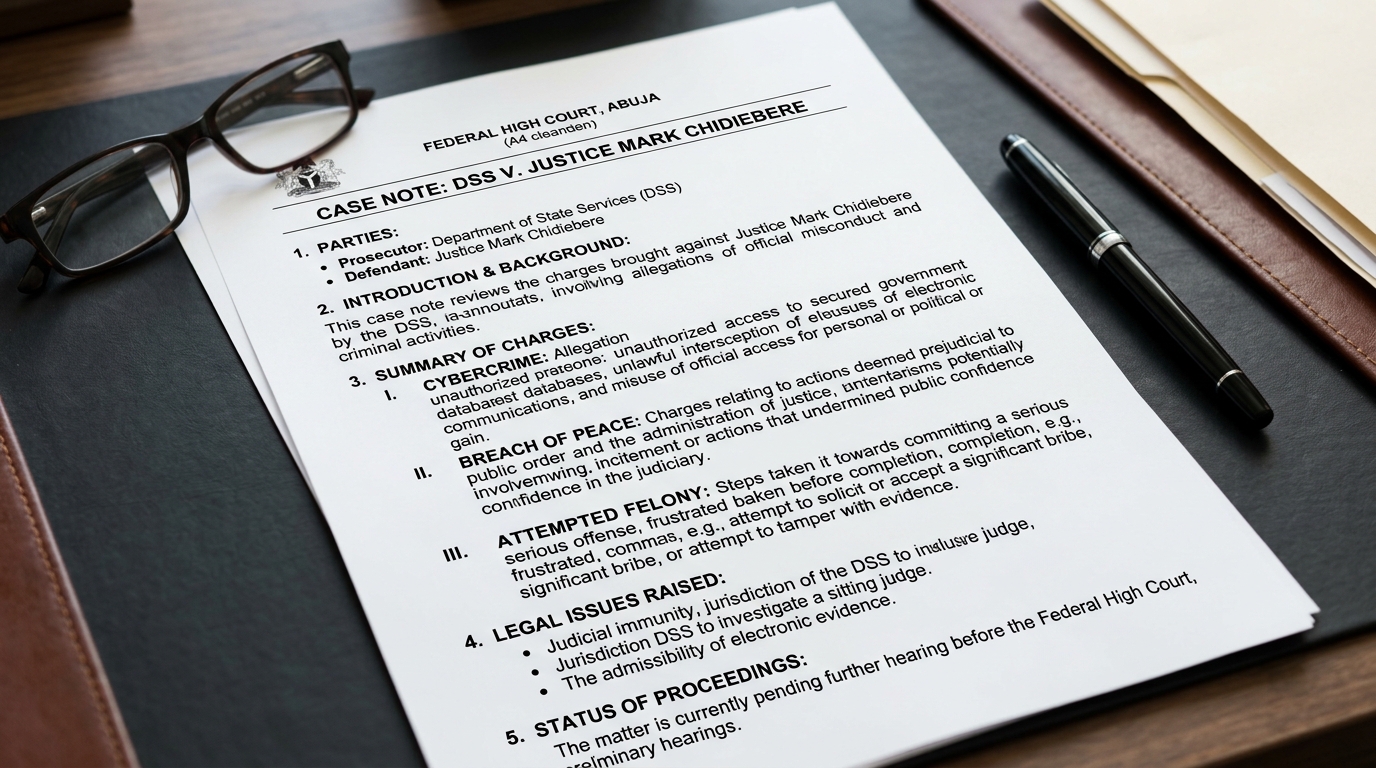
CYBERCRIME, BREACH OF PEACE, AND ATTEMPTED FELONY: A CASE NOTE ON DSS V. JUSTICE MARK CHIDIEBERE
-
Beyond the Robe: The Hidden Psychology of Judicial Decisions
-
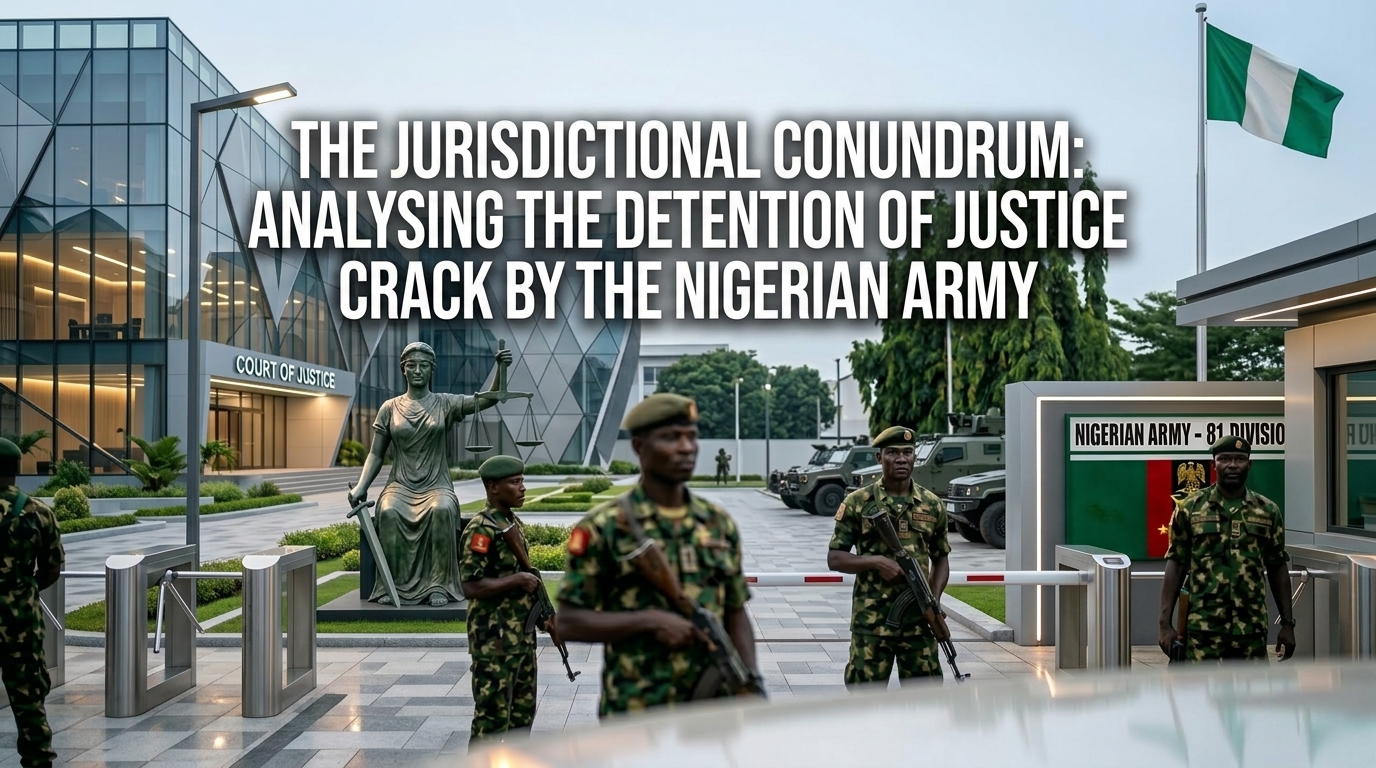
THE JURISDICTIONAL CONUNDRUM: ANALYSING THE DETENTION OF JUSTICE CRACK BY THE NIGERIAN ARMY
-
How to Open a Company and Bank Account in Nigeria: A Guide for Russian Investors